From November 14 to 15, 2024, the sub-forum themed Strategic Paths for China’s Urban Development Amid Profound Global Shifts of Beijing Forum (2024) was held at the School of Urban and Environmental Sciences, Peking University. Co-hosted by the School of Urban and Environmental Sciences, Peking University and the Peking University–Lincoln Institute Center for Urban Development and Land Policy, the sub-forum drew extensive attention and active participation from experts and scholars engaging in relevant fields at universities and research institutions at home and abroad. A total of 25 domestic and overseas experts delivered speeches centering on five thematic sessions: Sustainable Urban Development, Optimization of Spatial Pattern and Innovation in Planning, Regional High-Quality Development, Urban Renewal and Housing, and New Patterns of Housing System.
Professor He Canfei, Dean of the School of Urban and Environmental Sciences, Peking University, delivered the opening remarks first. He extended a warm welcome to all participants and briefly introduced the background of Beijing Forum as well as the theme of this sub-forum.
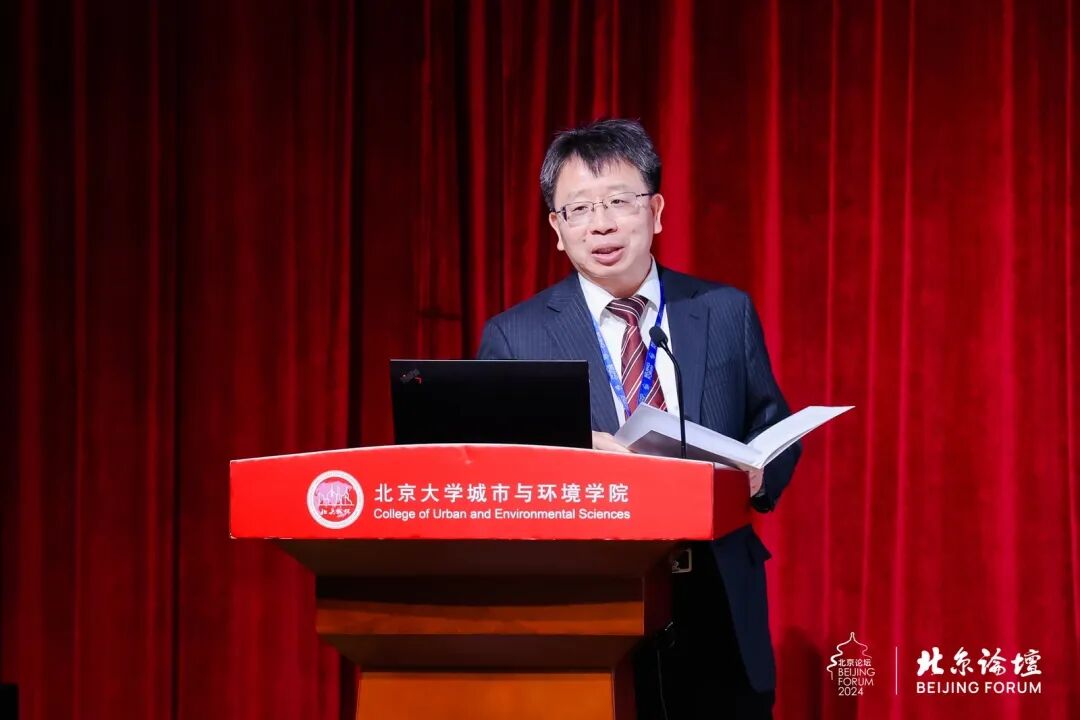
He Canfei Delivers Opening Remarks
Ms. Anacláudia Rossbach, Deputy Secretary-General of the United Nations and Executive Director of UN-Habitat, delivered a video address. She encouraged all attendees to reflect on their responsibilities in shaping the future of cities and wished the sub-forum a complete success.
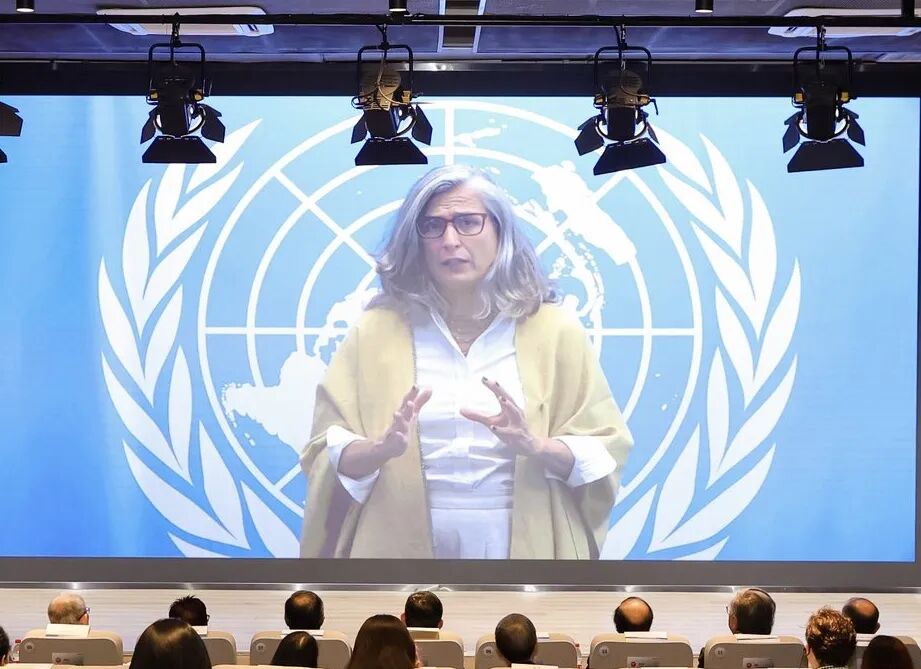
Anacláudia Rossbach Delivers Video Address
Liu Zhi, Director of the Peking University–Lincoln Institute Center for Urban Development and Land Policy, presided over the keynote speeches.
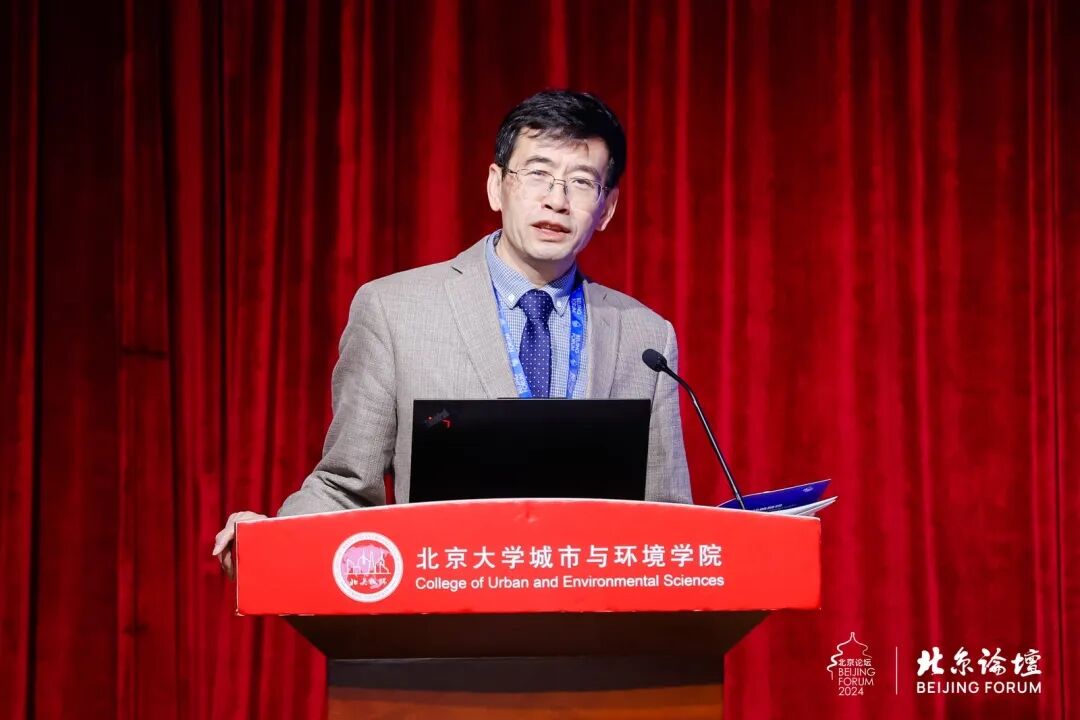
Liu Zhi Presides Over Keynote Speeches
Li Xiaojiang, Former President of China Academy of Urban Planning & Design, delivered a keynote speech titled Urban Development Strategies in the Stock Era. He argued that the transition of cities from an increment-driven era to a stock-driven era requires balanced, adequate and comprehensive development. He stressed that the shift of development models must be prioritized under stock-based development, and greater attention should be paid to social equity. He analyzed adjustments and transformations of urban development in the stock era from six dimensions including green low-carbon development and urban-rural climate adaptation, and put forward targeted proposals combined with practical cases. Finally, he highlighted the significance of institutional reform for stock land utilization and organic urban renewal.
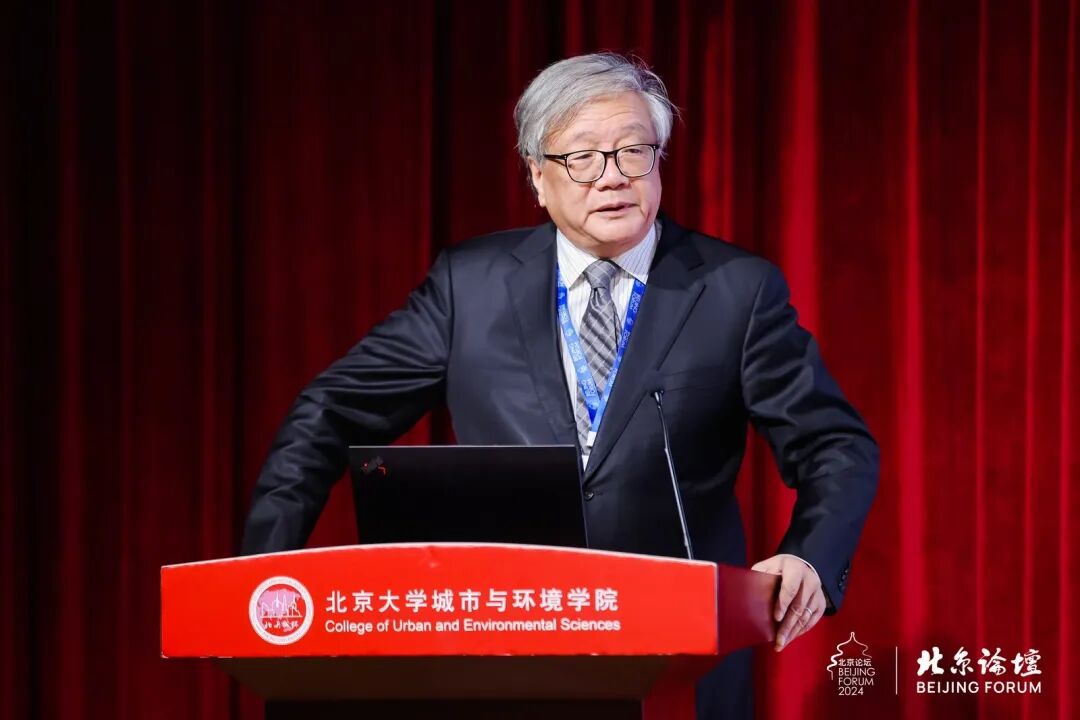
Li Xiaojiang Delivers a Speech
Academician Anthony G.O. Yeh, Member of the Chinese Academy of Sciences and Hong Kong Academy of Sciences, reviewed China’s current development from a global perspective in his keynote speech Urban Planning and Development Driven by New Technologies. He illustrated the relationship between technology and urbanization as well as the impacts of smart technologies on urban development and planning. He pointed out that in the current smart city era, big data, information technology and artificial intelligence facilitate urban governance and administration. He proposed that future urban planning will be driven not only by technology but also by shifts in human values. He emphasized that smart technologies can assist planners in exploring unknown fields, yet planning must be rooted in real-world realities.
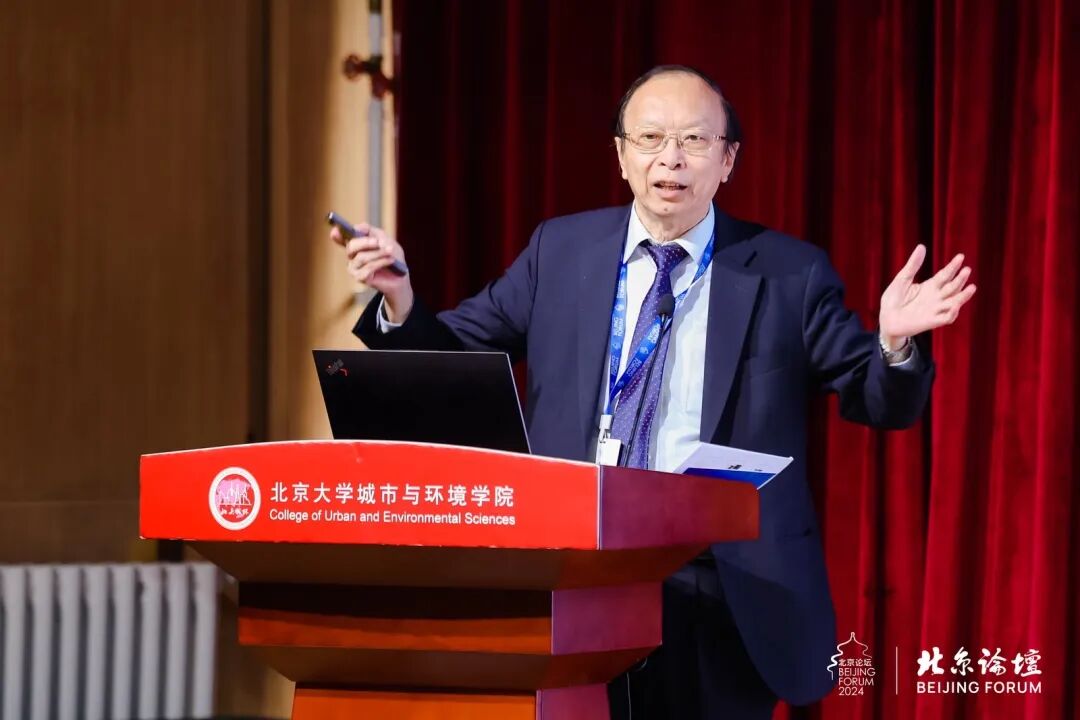
Anthony G.O. Yeh Delivers a Speech
Qiu Baoxing, Former Vice Minister of the Ministry of Housing and Urban-Rural Development, gave a keynote speech titled The Formation and Composition of Smart Cities. He first illustrated the formation and composition of cities with cases of Rome and Canberra overseas as well as Huangshan and Gulangyu in China. From the perspective of urban composition, he elaborated on the public platforms governments should provide for smart cities, and vividly interpreted the generation mechanism of smart cities in three dimensions: building blocks, internal models and identification markers. He suggested that the concepts of urban "formation" and "composition" should be comprehensively considered in urban planning formulation.
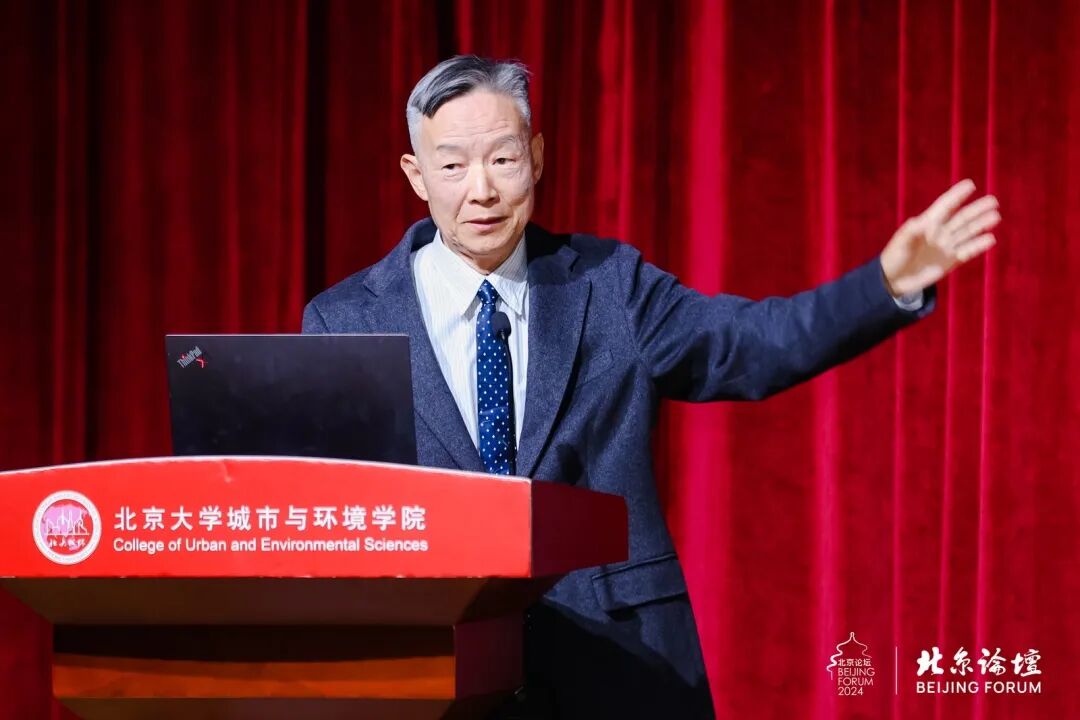
Qiu Baoxing Delivers a Speech
The first thematic session on the morning of the 14th was Sustainable Urban Development, chaired by Professor He Canfei, with five experts presenting speeches.
Dr. Enrique Silva, Chief Program Officer of the Lincoln Institute of Land Policy, delivered a speech titled Back to Basics: Lessons for Sustainable and Equitable Urban Redevelopment from Brazil. Drawing on practical cases, he discussed land connotation, land value, land use and planning from a practical perspective. He called on local governments to better allocate and utilize land value and revenue generated to boost sustainable urban development. He emphasized the linkage between fiscal health and land planning, and advocated forming a circular system through the creation, capture and reutilization of land value to mitigate imbalanced urban development.
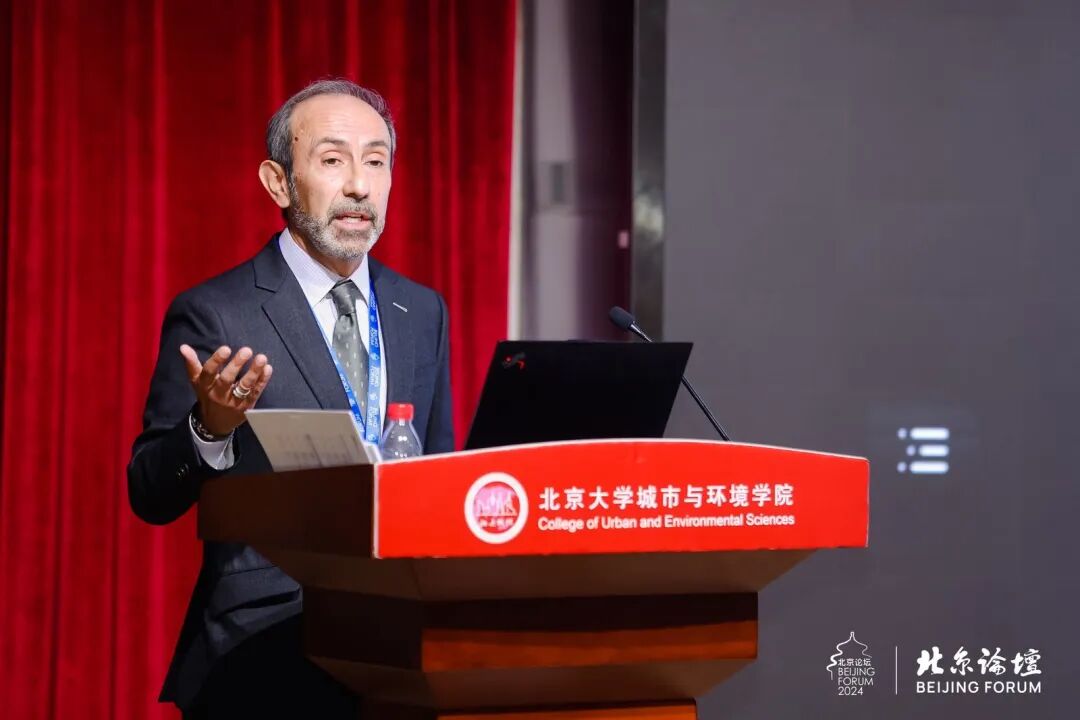
Enrique Silva Delivers a Speech
Dr. Om Prakash Agarwal, Former Chief Executive Officer of World Resources Institute (India), presented a speech titled Emerging Paradigms in Urban Mobility Planning. He analogized urban transport planning to the human circulatory system, unpacking new paradigms for its future development and five core driving factors behind paradigm shifts from six dimensions. He noted that urban public transport will shift from mandatory to optional services and from isolated systems to connected networks, requiring interconnected thinking in planning implementation and inclusiveness in planning decision-making. He concluded that future mobility will operate as a service featuring more shared vehicles, electric cars and connected transport tools.
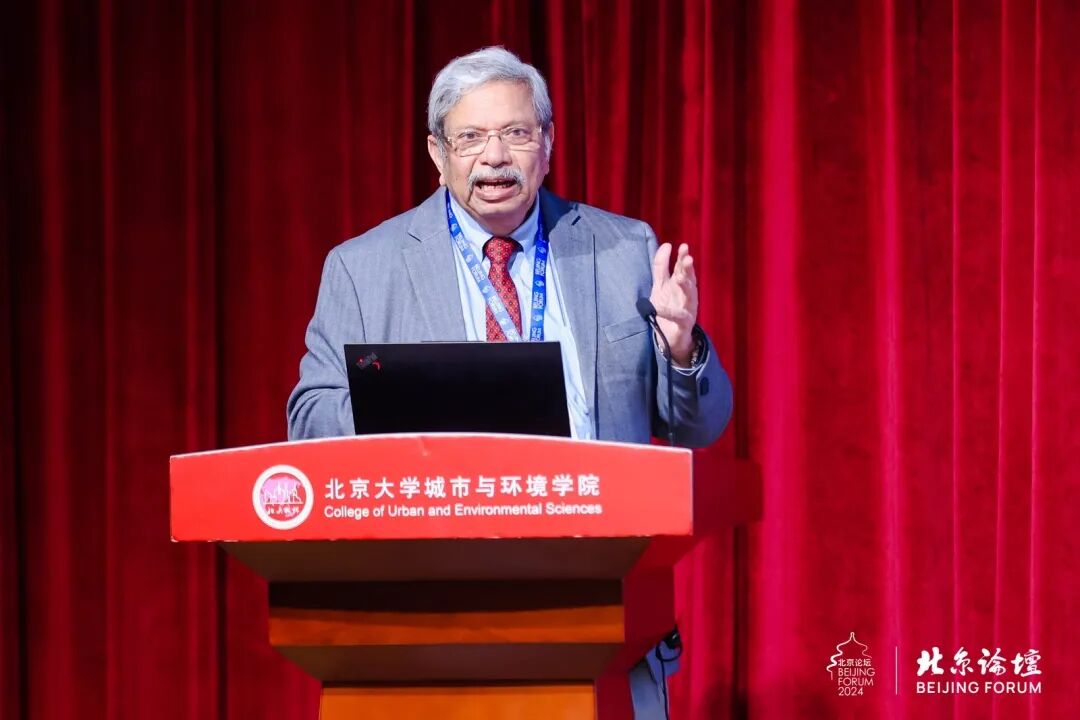
Om Prakash Agarwal Delivers a Speech
Professor Liu Shouying from Renmin University of China gave a speech themed The Form and Reform of Urban-Rural Integration. He first introduced shifts in urban-rural paradigms amid decelerating urbanization and the future trend of integrated urban-rural development. He underscored the importance of adopting an integrated urban-rural mindset, stating that urban-rural continuum will become the fundamental form of urbanization, while segregated urban and rural systems will trigger systemic imbalance. He summarized multiple challenges facing China’s current urban-rural forms including human-land conflicts and fragmented rural land, and put forward five proposals to construct a Chinese urban-rural continuum, restructure rural systems and advance rural revitalization.
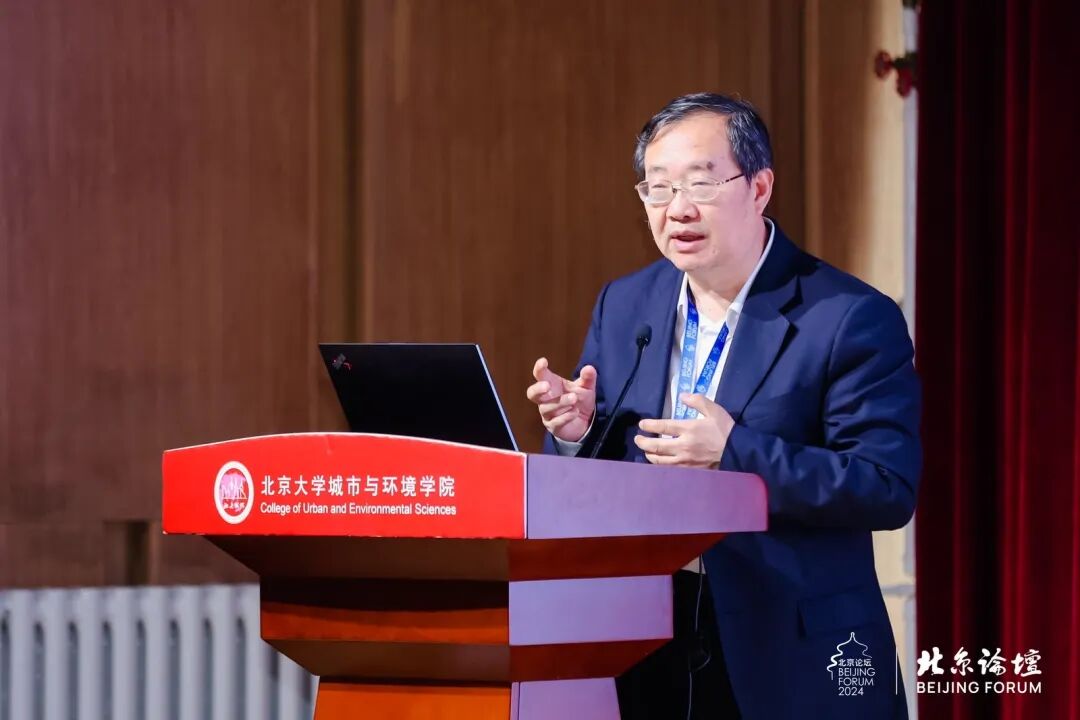
Liu Shouying Delivers a Speech
Wang Kai, President of China Academy of Urban Planning & Design, delivered a speech titled New Visions for Regional Development in the New Era – Trends, Theories and Practices. He elaborated on shifting trends and challenges of national regional spatial structures from three dimensions: international landscape, social development and climate change. He proposed prioritizing the development of central and western regions, central cities and megacities, especially in infrastructure construction, development scale and development monitoring. President Wang stressed the necessity of monitoring the evolution of regional spatial structures and maintaining dynamic cognition of regional development.
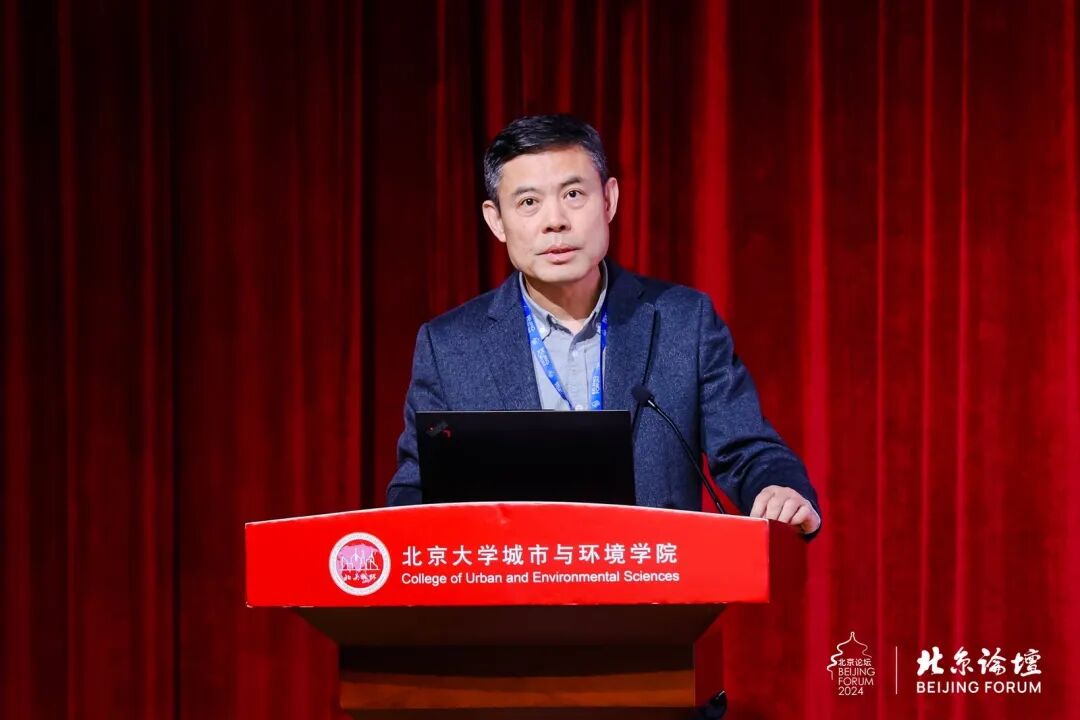
Wang Kai Delivers a Speech
Dr. Urda Eichhorst, Project Director at Deutsche Gesellschaft für Internationale Zusammenarbeit (GIZ), presented a speech titled Enhancing Sustainable Urban Development through International Cooperation. She emphasized advancing sustainable urban development via regional exchanges to achieve organic integration of transport, green open spaces and buildings, thereby shaping superior micro-environments. She shared methodologies for managing climate risks in cities and decarbonization solutions for transport to deliver sustainable urban mobility planning. She highlighted that inclusive urban transport planning must fully incorporate gender equality considerations.
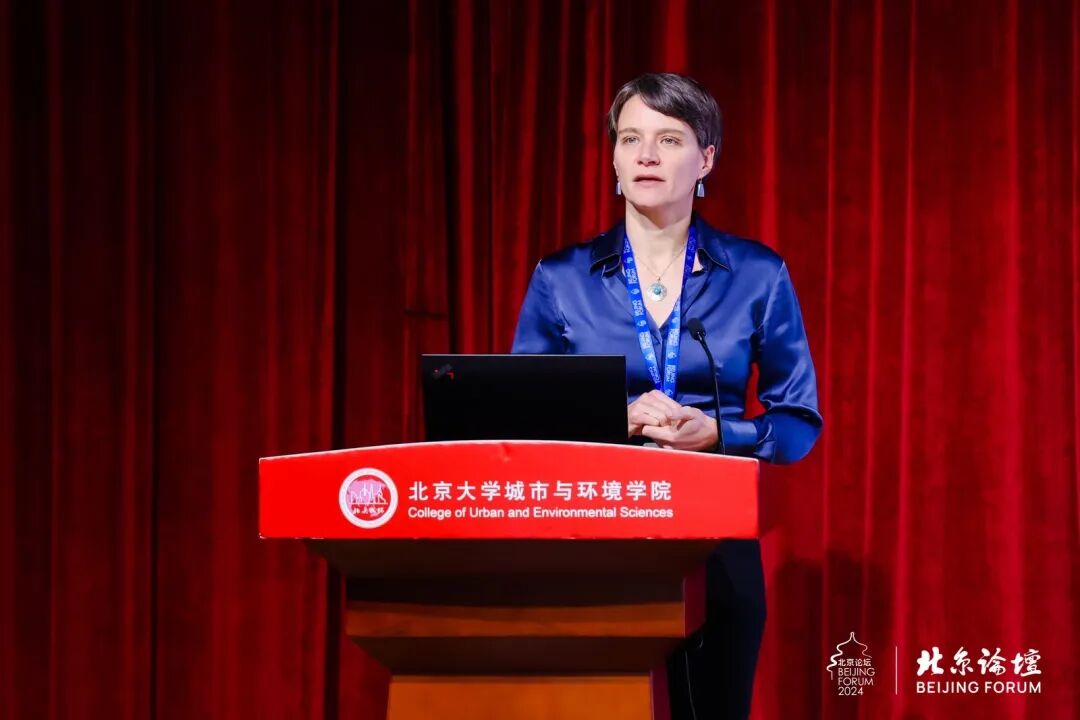
Urda Eichhorst Delivers a Speech
The afternoon sessions on November 14 covered Optimization of Spatial Pattern and Innovation in Planningand Regional High-Quality Development.
Director Liu Zhi chaired the session Optimization of Spatial Pattern and Innovation in Planning, where three experts delivered speeches.
Professor C. Cindy Fan from the University of California, Los Angeles presented a speech titled Does Hukou Still Matter: Reforms, Mismatch and Household Strategies. She illustrated disparities between urban and rural hukou systems in four dimensions: resident welfare, employment, social security and land rights. She pointed out that gaps between the two hukou categories across city scales create a mismatch between talent demanded by cities and rural migrants seeking urban settlement. However, as hukou reforms advance and perceived value of rural hukou rises, household strategies to cope with hukou disparities keep evolving.
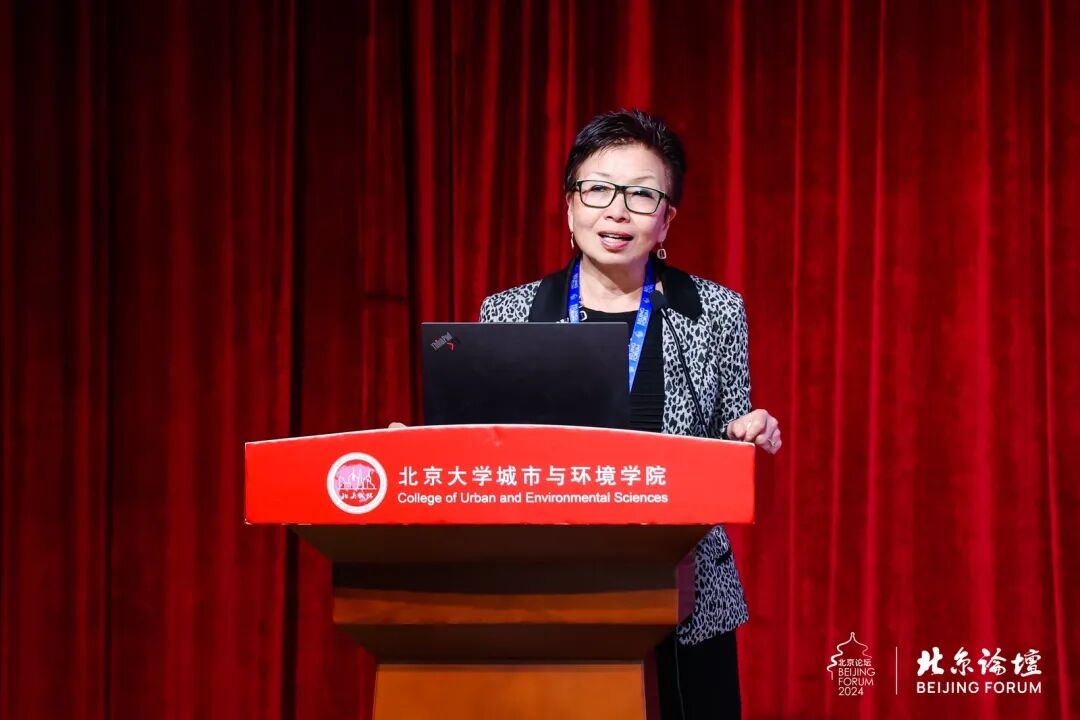
C. Cindy Fan Delivers a Speech
Professor Fulong Wu from The Bartlett School of Planning, University College London, delivered a speech titled Governing Urban Development in China. Taking Chengdu’s garden city planning as a case, Professor Wu noted that China’s urban governance is transitioning from administrative urban management to urban entrepreneurialism. Drawing on the Beijing-Tianjin-Hebei region, he explained how state entrepreneurialism facilitates national strategic targets including collaborative regional governance and ecological civilisation construction, while urban governance still faces numerous transitional challenges such as social inequality and geopolitical tensions.
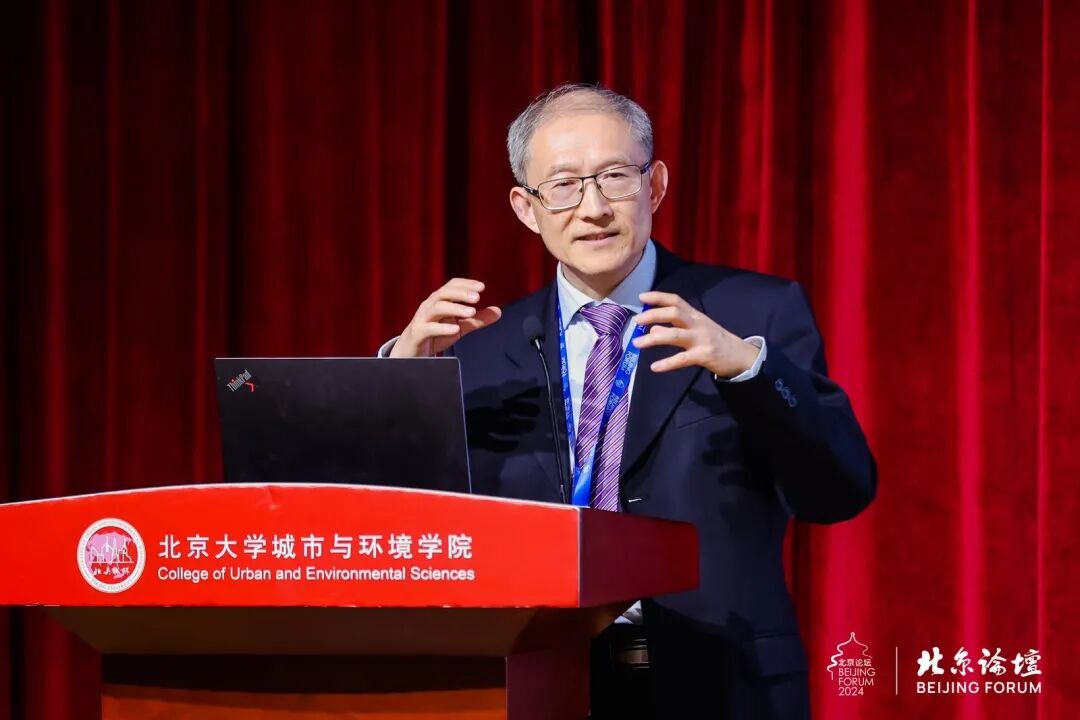
Fulong Wu Delivers a Speech
Professor Ming Zhang from the School of Architecture, The University of Texas at Austin, gave a speech titled Incremental Innovations in Digital-Intelligence Empowered Planning – Three Examples and Reflections. Based on three projects—the construction of an integrated multi-plan platform in Shennongjia Forestry District supported by cloud computing and crowdsourcing technologies, the application of genetic algorithms in land use optimization, and GPT-4o combined with topic modeling to facilitate planning information acquisition—he elaborated on the role of big data in narrowing regional gaps and driving the transformation of planning education. He reminded attendees that while artificial intelligence brings convenience to daily life, practitioners must stay vigilant against potential pitfalls of AI technologies.
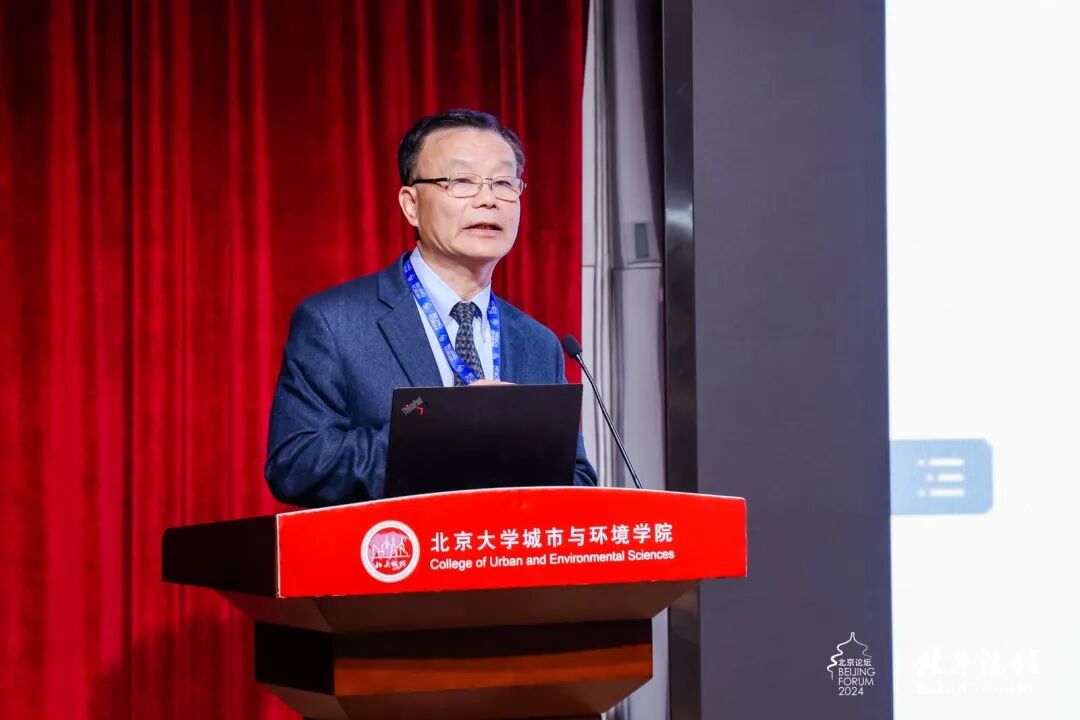
Ming Zhang Delivers a Speech
Professor Ming Zhang chaired the session Regional High-Quality Development, with four experts presenting speeches.
Professor Li Guoping from the School of Government, Peking University, delivered a speech titled High-Quality Development of Beijing under the Coordinated Development of the Beijing-Tianjin-Hebei Region. His presentation covered three parts: new requirements for Beijing’s development under the coordinated development strategy, current conditions and challenges facing Beijing, and future measures to advance high-quality development of the capital. He pointed out that addressing a full spectrum of urban diseases plaguing Beijing constitutes the core new requirement set by the coordinated development strategy. He emphasized that development efficiency and quality, ecological environment, social equity and people-centered growth form the core pillars of Beijing’s high-quality development.
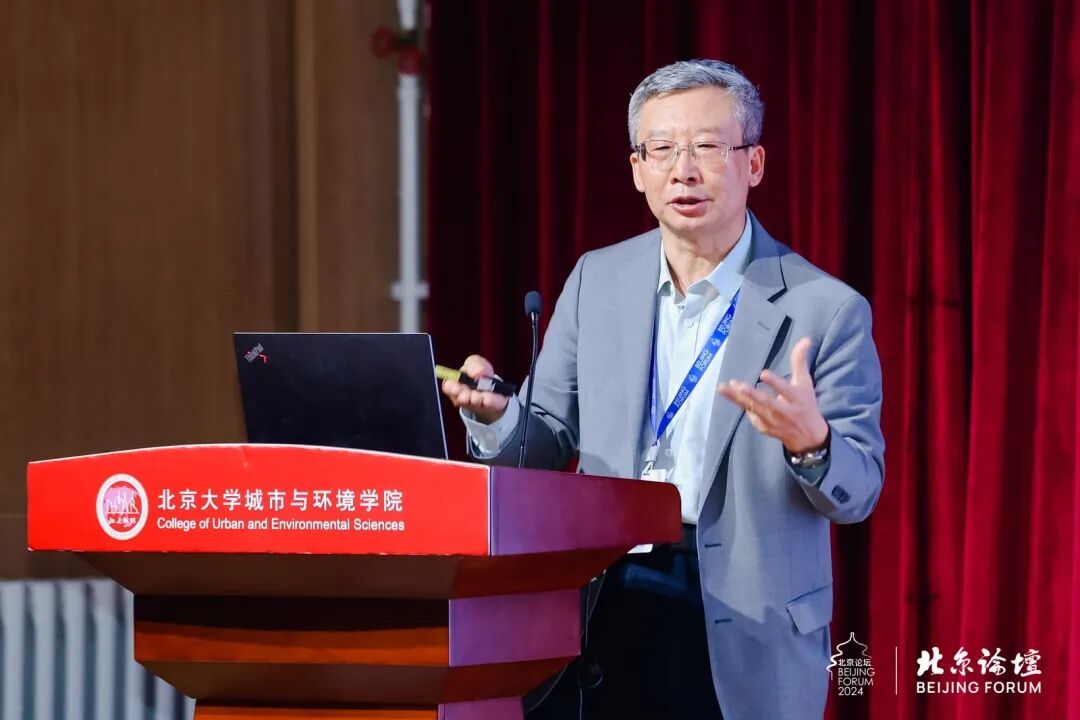
Li Guoping Delivers a Speech
Professor Chen Wen from the Nanjing Institute of Geography and Limnology, Chinese Academy of Sciences and the College of Resources and Environment, University of Chinese Academy of Sciences, presented a speech titled Evolution and Optimization Pathways of Urban Development Patterns Under the Yangtze River Delta Integration. She stated that problems emerging amid the implementation of the Yangtze River Delta integration strategy, such as excessive industrial division of labor and over-concentration of comprehensive public service facilities in large cities, may amplify polarized spatial agglomeration. Her research team will continue to conduct in-depth research on optimizing urban development patterns guided by main functional zones, refined county-level industrial division of labor, identification of urban pattern shifts via big data, and benefit analysis of urban renewal. She noted that under the backdrop of uncertain external environments and shifting urban development priorities, new concepts and spatial frameworks for urban development need to be thoroughly conceptualized.
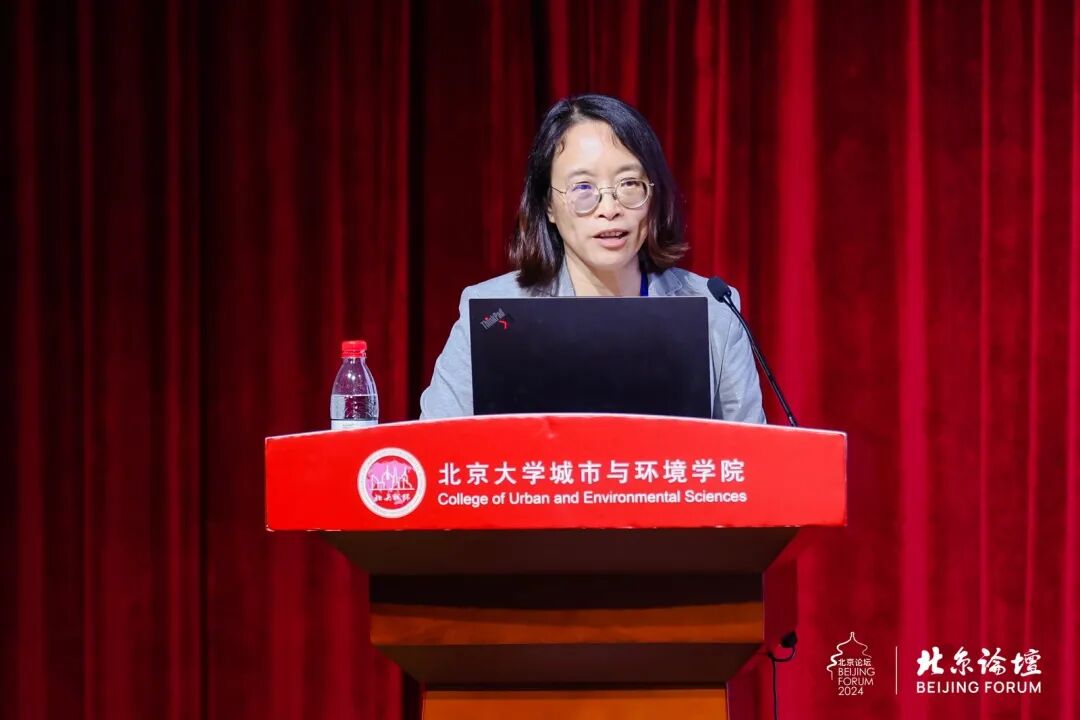
Chen Wen Delivers a Speech
Professor He Shenjing, Head of the Department of Urban Planning and Design, The University of Hong Kong, delivered a speech titled Infrastructuring Mobilities in the Greater Bay Area: Effectuating Infrastructural Fix at the Intersection of Housing, Education and Healthcare. She interpreted the conceptual connotations of infrastructure and the mobility it underpins. From three dimensions including critical research perspectives, technical details and underlying mechanisms of infrastructure impacts, she deeply analyzed how infrastructure mobility addresses regional development challenges in the Greater Bay Area. Regarding infrastructural remediation, she argued that both mobility functions of infrastructure and intersections across different infrastructure sectors deserve equal attention.
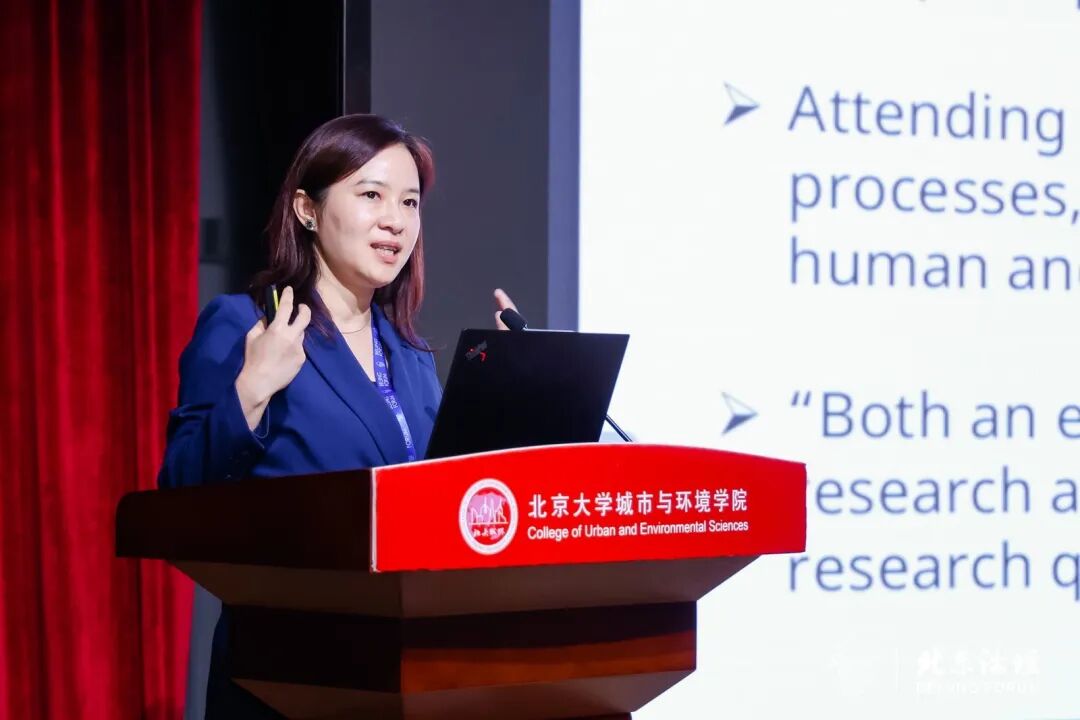
He Shenjing Delivers a Speech
Professor Yang Jiawen from the School of Urban Planning and Design, Peking University Shenzhen Graduate School, gave a speech titled Public Service Equalization and Typical Supply Issues of Urban Public Services. Taking Guangdong Province and Shenzhen City as cases, he introduced local government practices for equalizing public services, and pointed out that equalization of basic public service minimum standards has become increasingly difficult amid declining local fiscal revenue. He proposed that exploring supportive social resources to meet new livelihood demands for basic public services represents a major emerging challenge requiring further exploration.
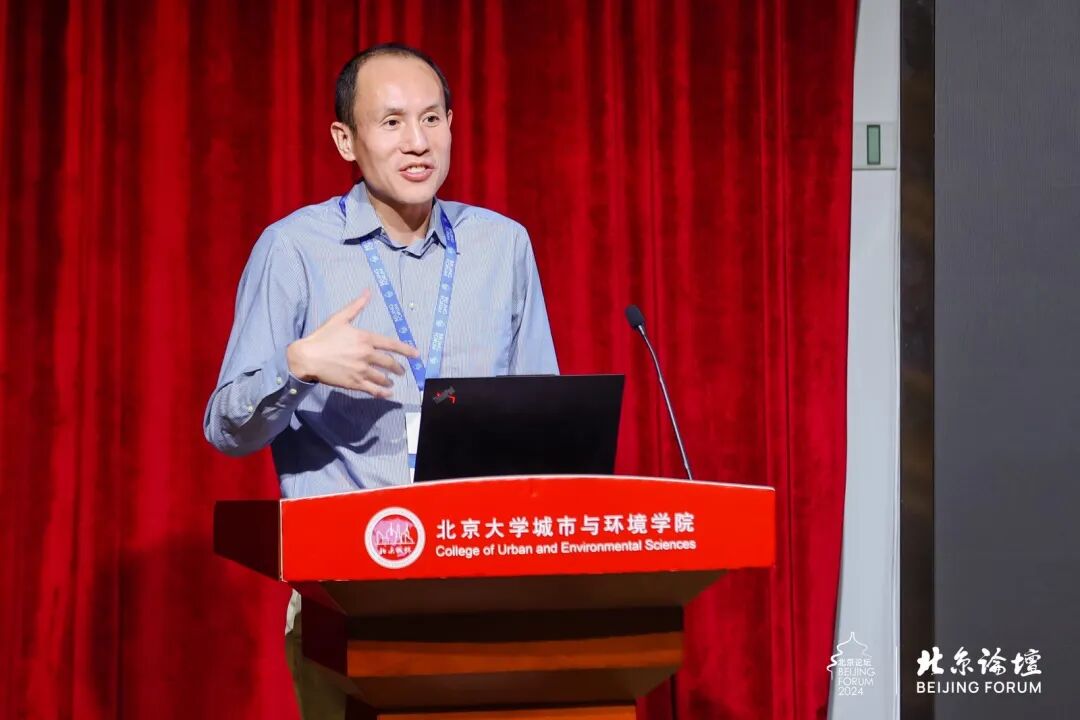
Yang Jiawen Delivers a Speech
The morning sessions on November 15 were Urban Renewal and Housing and New Patterns of Housing System.
Professor Yang Jiawen chaired the session Urban Renewal and Housing, where five experts delivered speeches.
Professor Rachelle Alterman from the Faculty of Architecture and Town Planning, Technion–Israel Institute of Technology, presented a speech titled Condominium Towers and Urban Myopia. She shared spatial, administrative, maintenance, externality and legislative challenges brought by the proliferation of high-rise buildings across various countries worldwide. She noted that while high-rises offer land-saving advantages, they may induce urban myopia, as their construction costs are extremely high with even steeper subsequent renewal and maintenance expenses. High-rise buildings are not ordinary residences but function like complex machinery with intricate systemic mechanisms, requiring targeted solutions derived from professional expertise to address latent long-term risks.
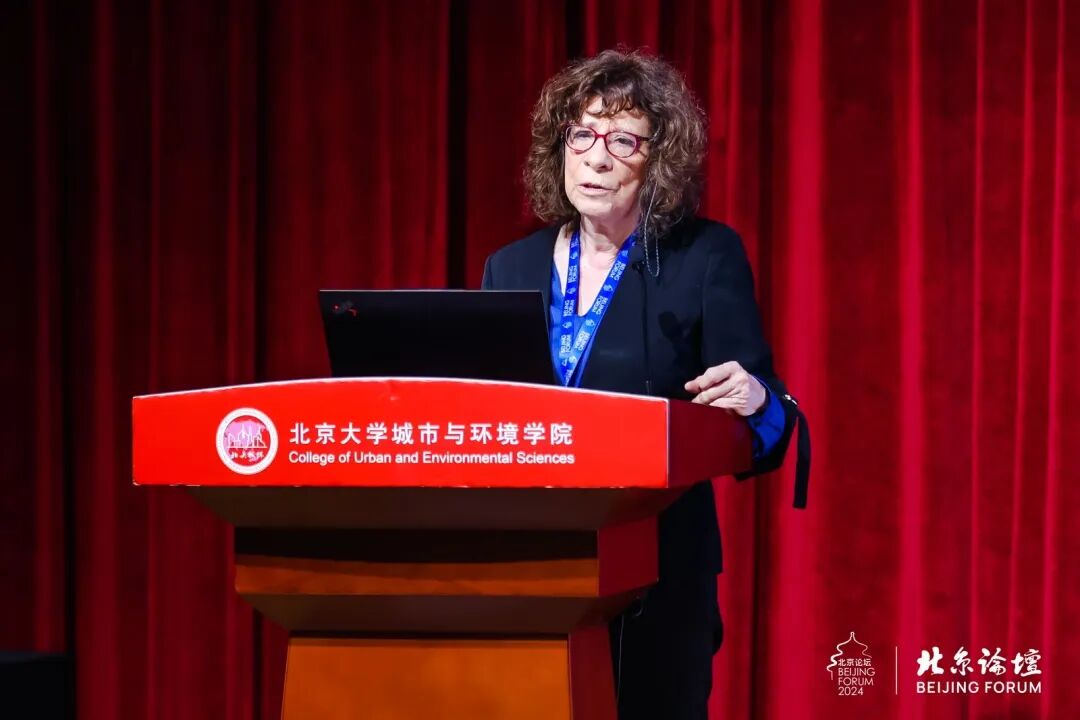
Rachelle Alterman Delivers a Speech
Professor Ye Yumin from the School of Public Administration and Policy, Renmin University of China, focused on megacity governance in her speech Governance of the New Dual Structure and Selection of Housing Supply Patterns for New Citizens in China’s Megacities. Drawing on Lewis’s dual structure theory, she analyzed the emerging new dual structure within China’s megacities. Housing for new citizens and urban village governance are two intertwined core challenges in megacity administration. She proposed taking urban village regeneration as an opportunity to break the deadlock of the new dual structure through innovative approaches, and advocated inclusive housing planning featuring an integrated five-in-one affordable and healthy housing supply mechanism for megacities to provide solutions for new resident housing provision.
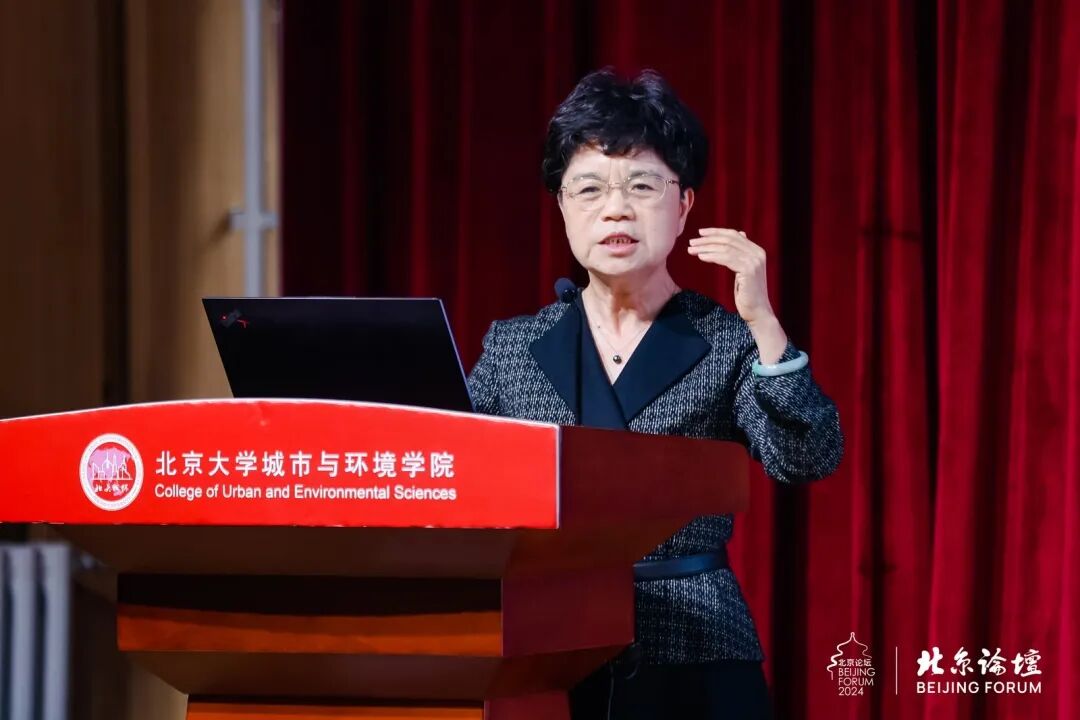
Ye Yumin Delivers a Speech
Professor Tian Li from the Department of Urban Planning and Design, School of Architecture, Tsinghua University, delivered a speech titled The Transformation of Urban Renewal Strategy Under the Reshaping of the Government-Market-Society Relationship. She first reviewed the theoretical evolution of the government-market-society relationship, analyzed strategic shifts and influencing factors of urban renewal based on cases of Beijing, Shanghai, Guangzhou and Shenzhen, and examined challenges facing the government-market-led model of urban regeneration. Finally, she shared domestic and international experience and insights on empowering urban renewal via social forces, pointing out that China faces dual dilemmas of insufficient government and market capacity, and put forward suggestions on mobilizing social forces to boost urban renewal.
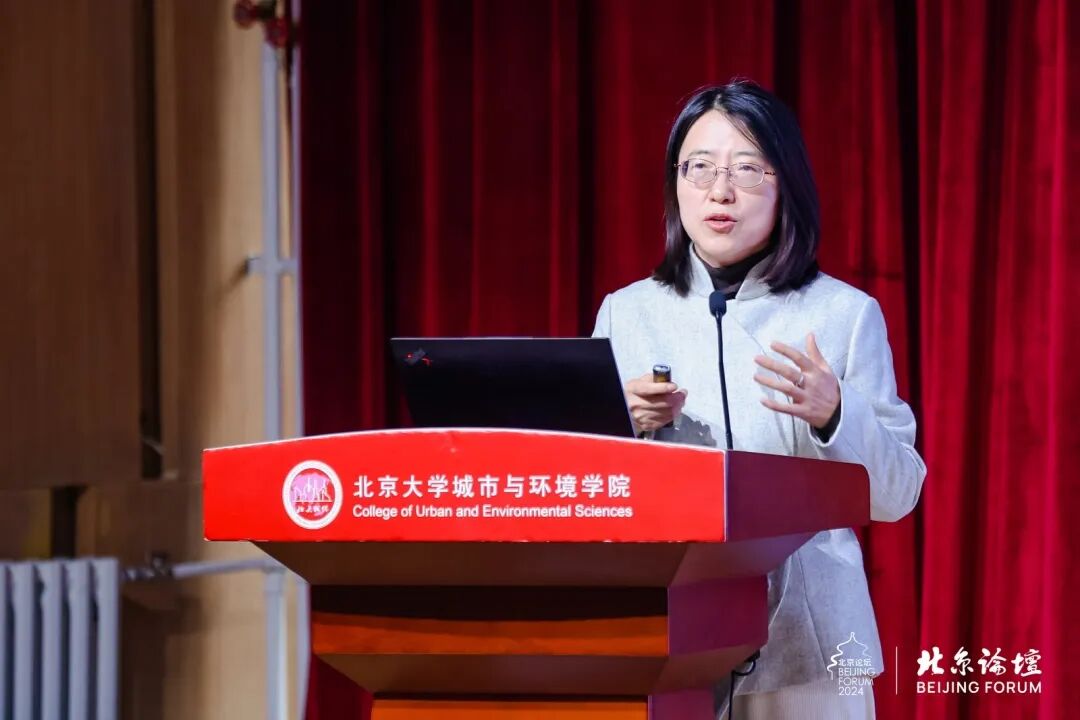
Tian Li Delivers a Speech
Professor Tao Ran, Head of the Division of Development and Governance, The Chinese University of Hong Kong, Shenzhen, presented a speech titled The Dilemma of and Solutions to China’s Current Urban Renewal Models. He elaborated on the fundamental logic and existing problems of urban renewal in China with case analysis of three-old transformation projects in the Pearl River Delta. He designed a demolition mechanism applicable to both mainland China and global contexts to resolve deadlocks in demolition and renewal, namely a framework of "two competitions plus one relocation" to break bargaining stalemates in village renewal. He also put forward four measures to resolve China’s real estate sector predicament: first, monetized shantytown renovation; second, large-scale market-oriented expansion of rental housing supply; third, reclamation of hollow rural homesteads and abandoned township enterprise land to transfer construction land quotas to urban-rural fringe zones; fourth, allowing first-tier cities to develop gentle hills within ecological red lines.
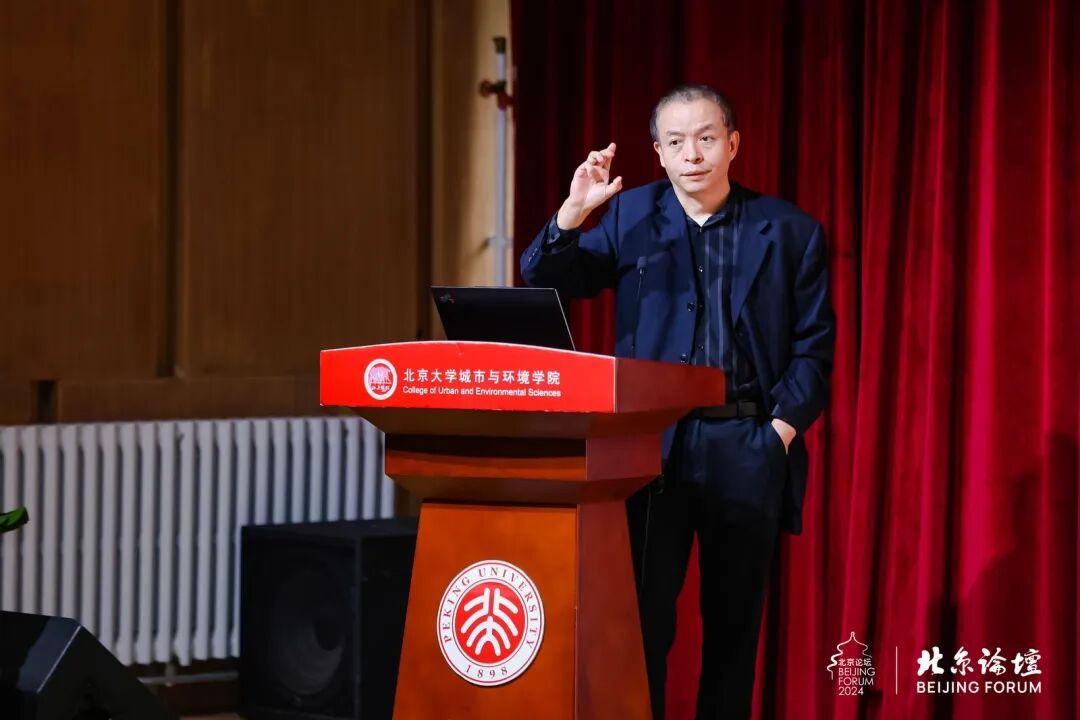
Tao Ran Delivers a Speech
Professor George C.S. Lin, Fellow of the Academy of Social Sciences UK and Chair Professor of Geography at The University of Hong Kong, delivered a speech titled Emergent Pathways of Conjunctural Urbanism in China’s Greater Bay Area: Extended Urbanization, Intensive Redevelopments, and Regional Innovation. He first compared the development of the Guangdong-Hong Kong-Macao Greater Bay Area with other global bay areas and analyzed its developmental stages and pathways. He pointed out that the Greater Bay Area has entered a new phase prioritizing scientific and innovative development. Most global innovation hubs are located in large bay area cities, and innovators tend to prefer locations distant from political centers, which constitutes the future developmental trend and pathway for the Greater Bay Area.
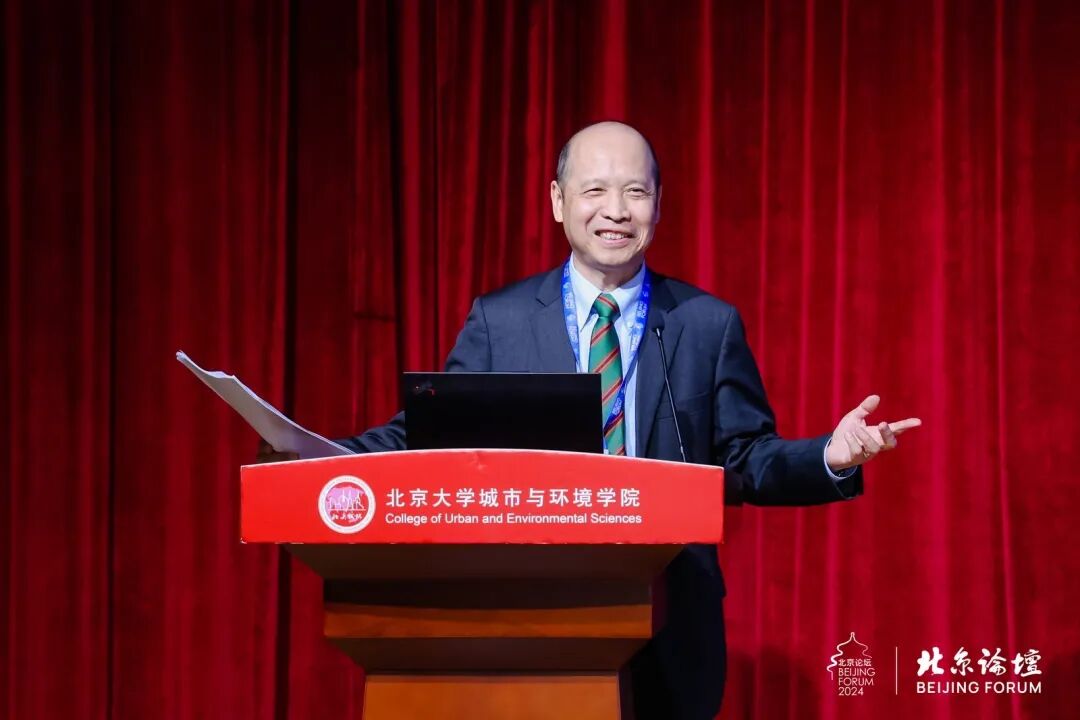
George C.S. Lin Delivers a Speech
Director Liu Zhi chaired the session New Patterns of Housing System, with four experts presenting speeches.
Professor Wang Yaping, Fellow of the Royal Society of Edinburgh and Distinguished Professor at the School of Geography and Tourism, Shaanxi Normal University, delivered a speech titled Housing, Property Tax, and Sustainable Integrated Urban-Rural Development. He analyzed characteristics of housing development amid rapid urbanization and core urban growth and consumption drivers underpinning housing expansion. He shared overseas experience on real estate policies and taxation, proposing that although the timing may seem premature at present, the gradual introduction of an annual property holding tax in China can generate positive outcomes and rationalize urban-rural relations. He argued that China cannot permanently rely on land finance to sustain local government operations, and more urban and rural residents should participate in the reform of the property holding tax system.
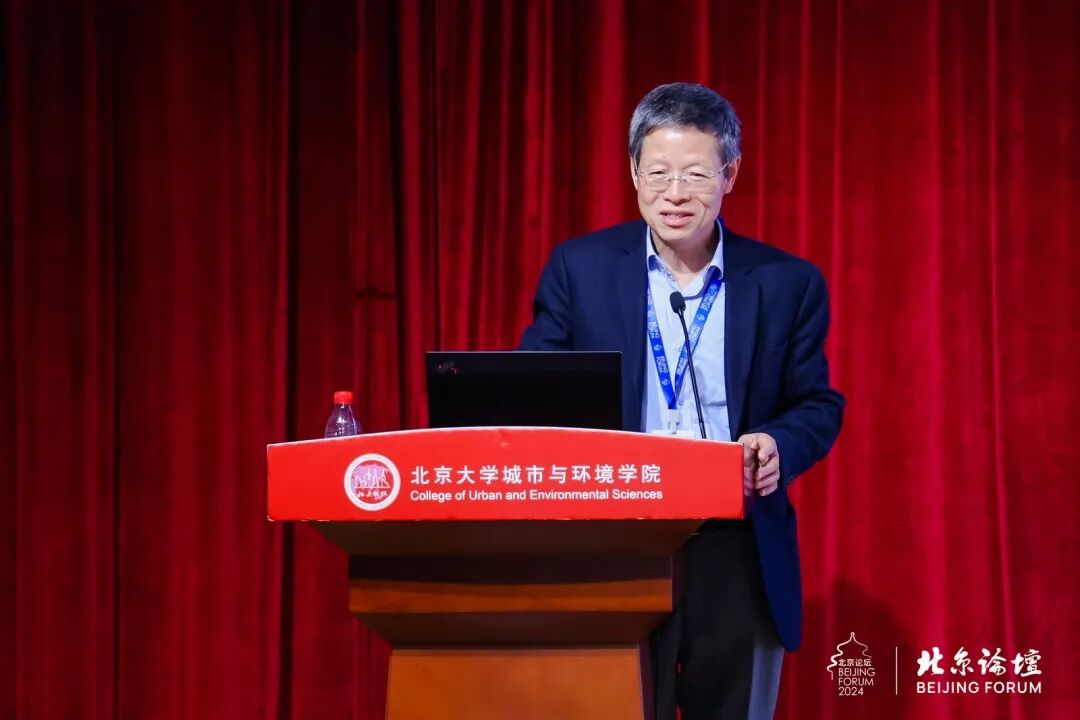
Wang Yaping Delivers a Speech
Professor Yi Chengdong from the School of Management Science and Engineering, Central University of Finance and Economics, gave a speech titled Strategic Considerations for a Sustainable Urban Housing System in China. He analyzed the evolution of China’s housing system, the positioning of housing within national economic and social development, the internal relationship between rental and purchase housing, and the balance between market and affordable housing sectors. He shared his research on development objectives and pathways for housing systems as well as strategic thinking on designing a sustainable national housing framework, proposing measures including establishing a housing system balancing consumption and investment demands and strengthening connectivity between rental and ownership housing markets.
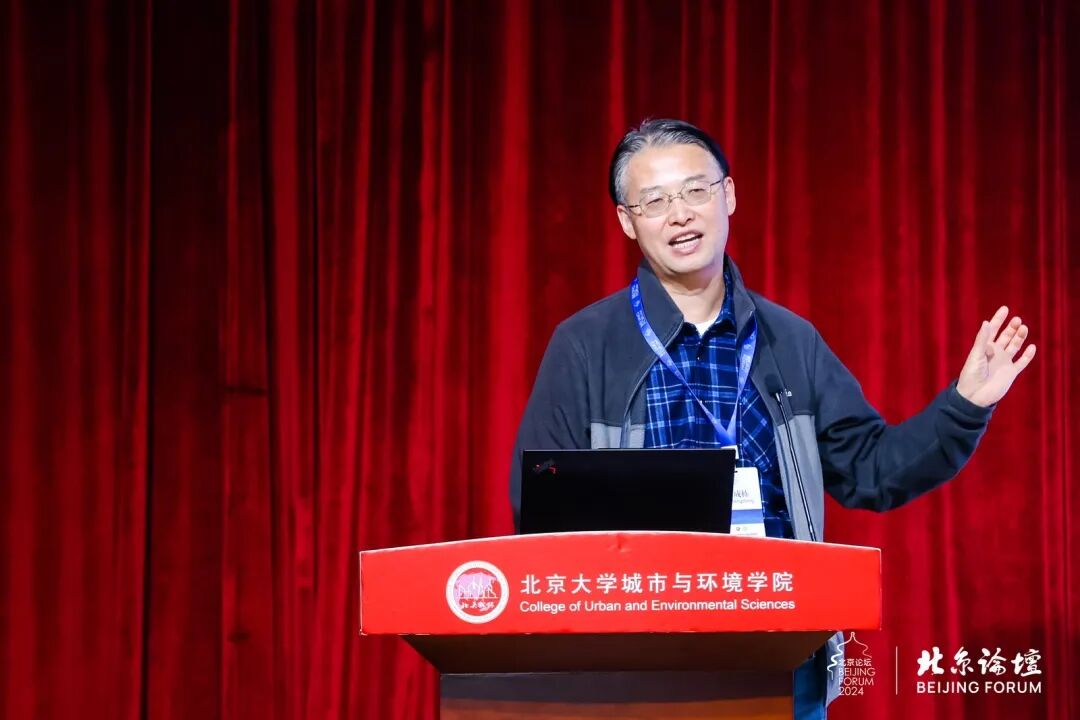
Yi Chengdong Delivers a Speech
Professor Wang Zhifeng from the School of Management Science and Engineering, Central University of Finance and Economics, shared his research on public real estate in a speech titled A Capitalization Study on the Spatial Spillover Effects of Consumption-Oriented Public Real Estate. He analyzed the role of public real estate in boosting economic welfare during the stock-based late stage of China’s urbanization, and elaborated on the definition and classification of public real estate. Taking Beijing as a case, he studied the capitalized spillover effects of urban public real estate, finding that consumption-oriented public real estate correlates strongly with residents’ satisfaction and happiness, generating robust information sharing, matching learning and spatial spillover effects that greatly support high-quality urban development.
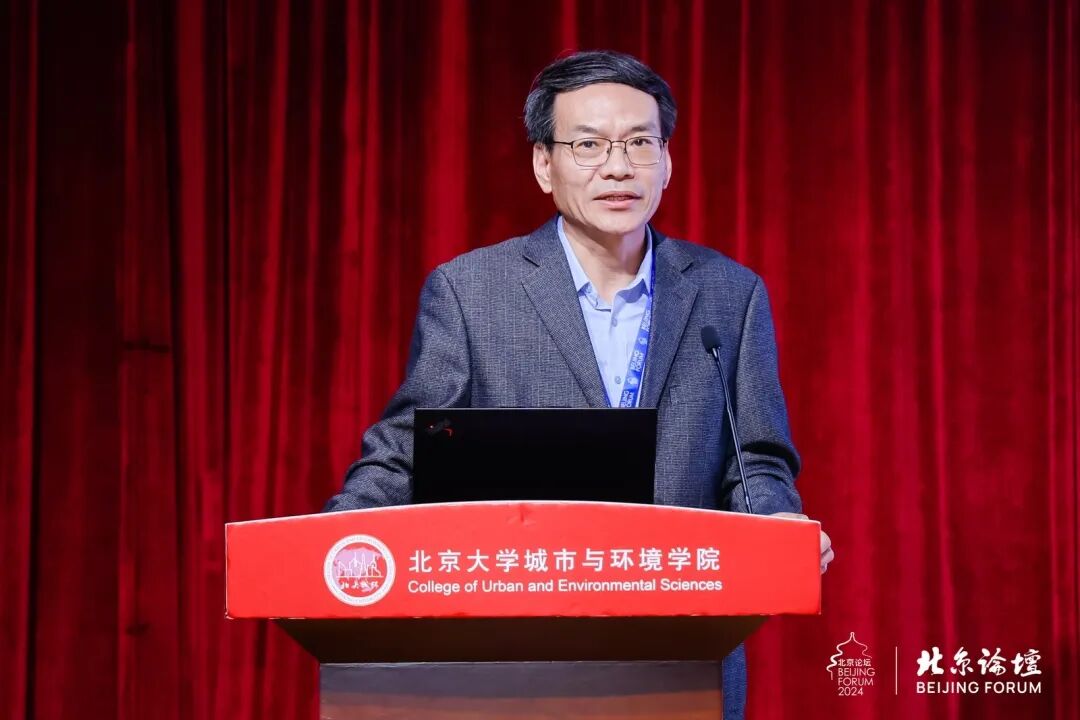
Wang Zhifeng Delivers a Speech
Professor James Jixian Wang, Research Director of the Belt and Road Hong Kong Centre & Greater Bay Area Hong Kong Centre, delivered a speech titled Hong Kong: Prospects for Further Internationalization. He reviewed Hong Kong’s economic and trade development trajectory, noting that Hong Kong has shifted its role from a "super-connector" to an "international service provider". He proposed three potential directions for Hong Kong’s further internationalization: first, a host hub for global supply chains; second, a cultural and exhibition center integrating Eastern and Western civilizations; third, a multi-currency blockchain trading hub for BRICS and RCEP economies, and analyzed preconditions enabling Hong Kong to deepen international connectivity.
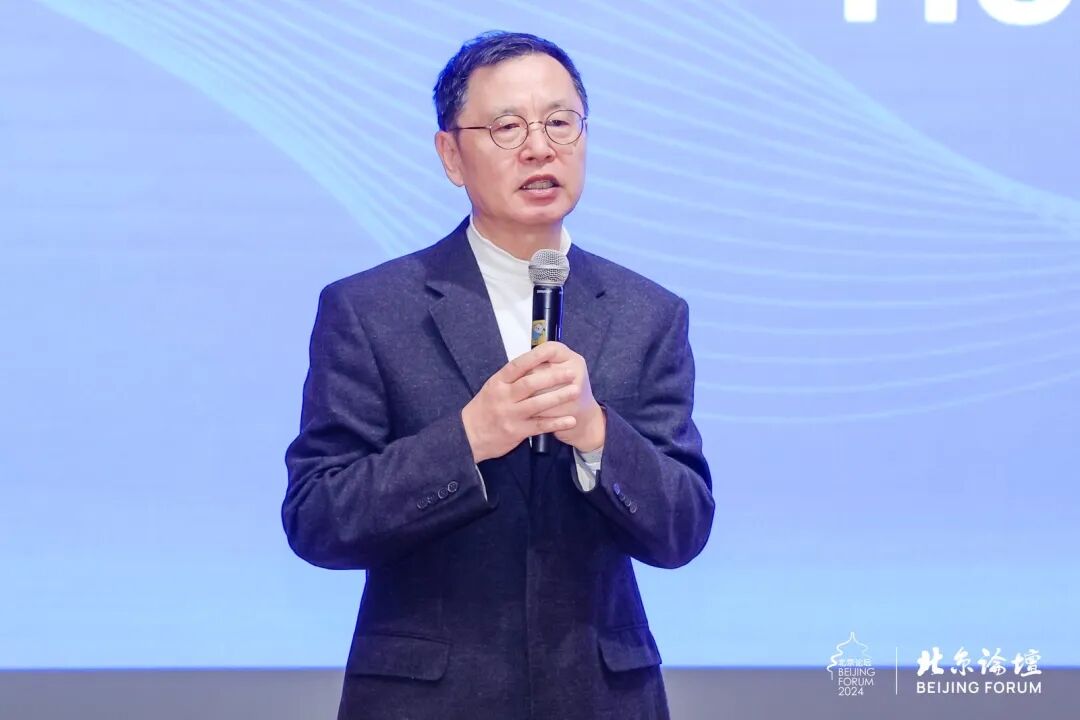
James Jixian Wang Delivers a Speech
Director Liu Zhi delivered the closing summary and officially closed the forum. This sub-forum built a platform for academic exchange and idea-sharing among researchers in the field, and promoted in-depth discussion on key agendas including sustainable urban development, regional high-quality development, spatial optimization and housing institutional reform.
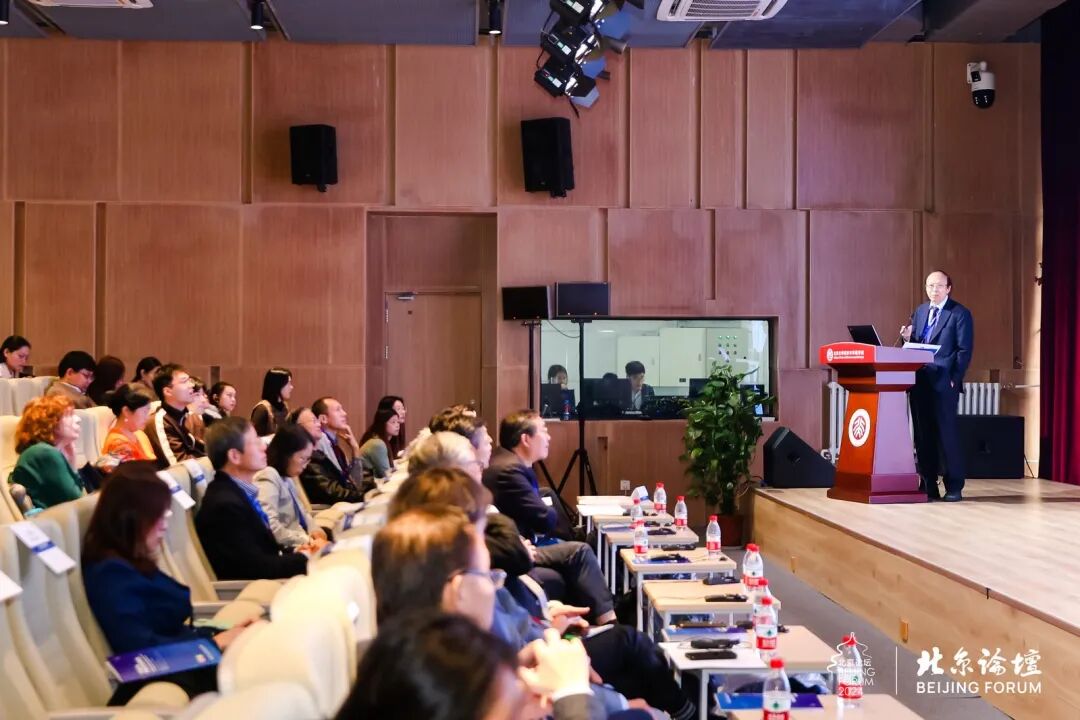
Conference Venue
Note: This article has not been reviewed by the individual speakers.
Contributors: Li Yunhe, Zhang Yuzhen, Liu Xiuying
Compilation Editor: Zhao Min